
BAIID shows up on court paperwork, and most people stare at it like a typo. You Google it, and suddenly you're drowning in acronyms: IID, MDDP, BAC, BrAC. Half the results are about statistics (IID means something completely different in math), and the other half read like they were written by lawyers billing by the hour.
This glossary cuts through it. Below, every interlock acronym you're likely to run into gets a plain definition, so you can tell what your court order or DMV letter is actually asking you to do. One note up front: exact rules, thresholds, and program names vary by state, so treat this as general background and confirm the specifics with your court, DMV, or monitoring authority.
What Does BAIID Mean?
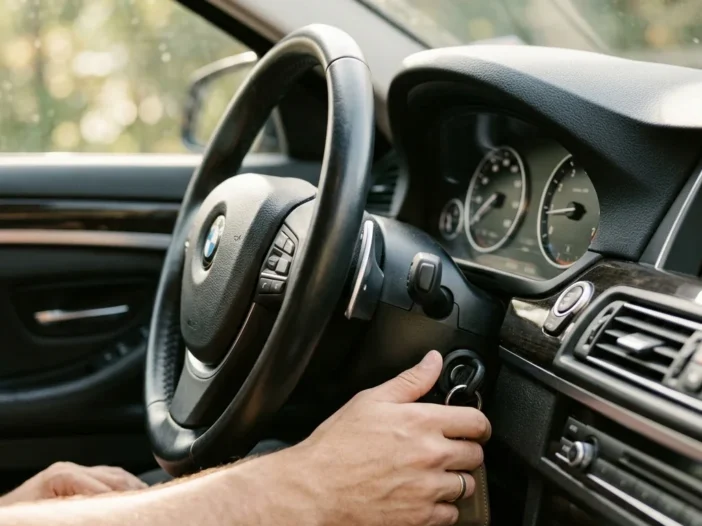
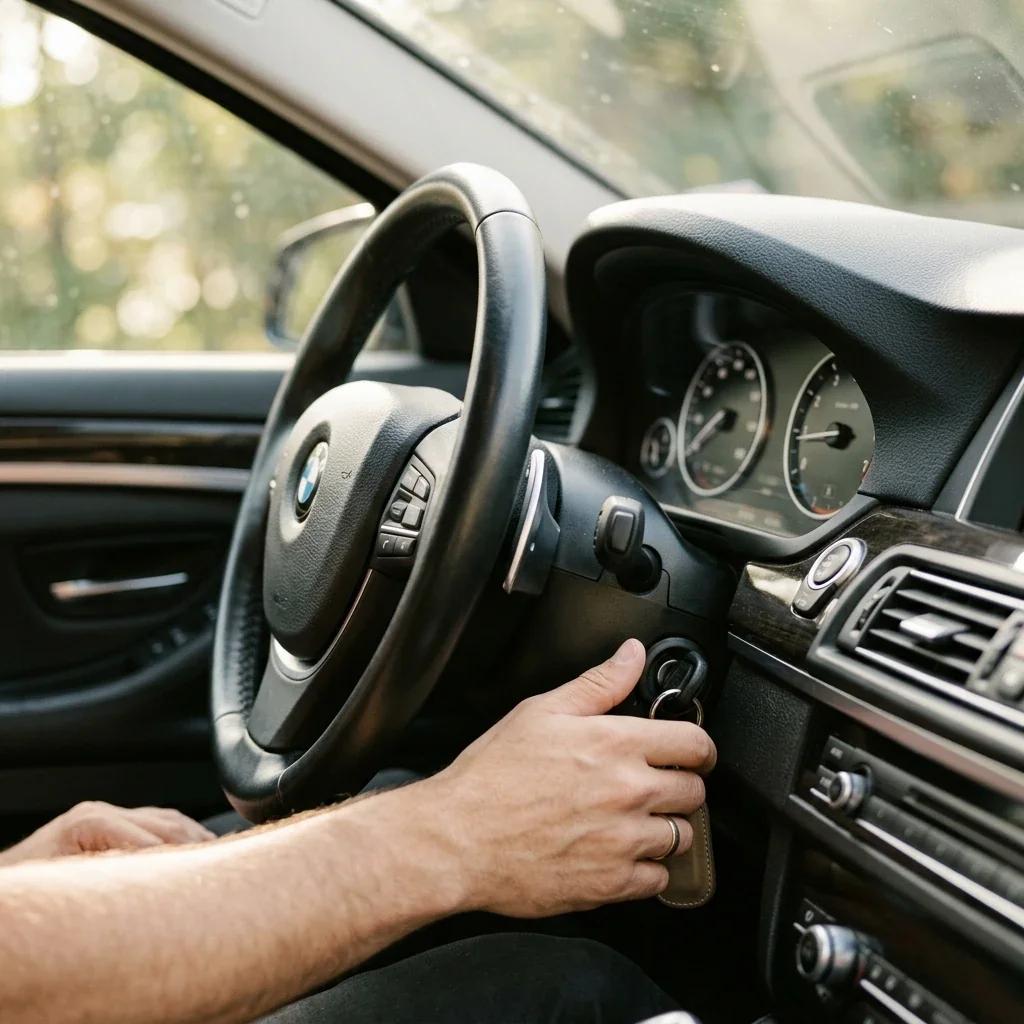
BAIID stands for Breath Alcohol Ignition Interlock Device. It's a small unit wired into your car's ignition. Before the engine will start, you blow a clean breath sample into it. If your breath registers at or above a preset limit (the exact threshold is set by your state or program), the car won't start.
BAIID is used in some states. Most others call the exact same device an IID, or just an "ignition interlock device." The hardware and the purpose are identical. The different acronym is really just legal language that varies from place to place. For a closer look at the device itself, our guide on what an ignition interlock device is and how it works covers the full picture.

BAIID vs. IID vs. Ignition Interlock: Clearing Up the Confusion
This trips up almost everyone. The short version: these terms all describe the same device.
- IID (Ignition Interlock Device): the most common national term. Courts and DMVs in most states use this one.
- BAIID (Breath Alcohol Ignition Interlock Device): a term used in some states. It simply adds "Breath Alcohol" to specify how the device measures a sample.
- Ignition Interlock: the casual, everyday shorthand. You'll hear this in conversation and see it on provider websites.
One heads-up: search "IID meaning" online and many of the top results explain "independent and identically distributed," a statistics concept that has nothing to do with your court order. Add "DUI" or "interlock" to your search and the right results show up.
Other Interlock Acronyms You'll Encounter
BAC and BrAC
BAC stands for Blood Alcohol Concentration, the standard measure of how much alcohol is in your blood. BrAC (Breath Alcohol Concentration) is the breath-based version your interlock actually reads. Courts usually reference BAC limits, but the device measures your breath and converts that reading to an estimated BAC.
MDDP
A permit-style term used in some states. MDDP stands for Monitoring Device Driving Permit, a type of permit that can let certain first-time offenders keep driving as long as they install a device. Where this kind of permit exists, it is tied directly to the interlock requirement: no device, no driving. How permits like this line up with the rules where you live is covered in our guide to ignition interlock device laws.
RDP and RIL
RDP (Restricted Driving Permit) refers to limited driving privileges during a suspension or revocation. RIL stands for Restricted Ignition Interlock License, a term some states use when an interlock is the condition for driving. Which one applies to you, and what it requires, depends on your offense history and your state. Our guide to the ignition interlock limited license walks through the general difference.
OBD and GPS Monitoring
OBD (On-Board Diagnostics) is the vehicle port some interlocks connect to for data logging. Some programs also add GPS monitoring to record the car's location during the restriction period. Not all states or devices use GPS, so check your court order rather than assuming you need it.
Why Getting the Terminology Right Actually Matters
This isn't trivia. The American Association of Motor Vehicle Administrators (AAMVA) has published best-practice guidance for interlock programs, partly because inconsistent terminology across courts, DMVs, and vendors creates real confusion for drivers. When your court order says "BAIID" and the installation shop's site says "IID," it's easy to wonder whether you're even looking at the right service. You usually are.
The terminology matters because interlocks are used so widely: they are a standard condition for getting back on the road after a DUI in much of the country. But a device only helps if you understand your requirements well enough to follow them, and that starts with decoding the acronyms on your paperwork.
How the Process Works in Plain English
BAIID or IID, the process is the same. You blow into the device before starting your car. If the sample is clean, the engine starts normally.
While you drive, the device prompts rolling retests at intervals, and you get a short window to provide a sample. A failed retest won't shut your engine off mid-drive (that would be dangerous), but it logs the event and may prompt a warning until you can safely stop. Many devices also include a camera that photographs whoever is taking the test, to confirm it's the driver.
On a schedule set by your program, you'll bring the car in for calibration and a data download. The provider checks the device's accuracy and sends your records to the monitoring authority. Missed appointments or repeated failed tests can stretch out your restriction period, so it pays to keep those visits on the calendar. For the full step-by-step, see our walkthrough of how ignition interlock devices work.

Quick-Reference: Interlock Acronym Table
|
Acronym |
Full Term |
What It Means for You |
|
BAIID |
Breath Alcohol Ignition Interlock Device |
A term used in some states for the device you blow into before starting your car |
|
IID |
Ignition Interlock Device |
The common national term for the same device |
|
BAC |
Blood Alcohol Concentration |
Measurement of alcohol in your system |
|
BrAC |
Breath Alcohol Concentration |
What the interlock device actually reads |
|
MDDP |
Monitoring Device Driving Permit |
A permit some states offer allowing driving with a device installed |
|
RDP |
Restricted Driving Permit |
Limited driving privileges during a suspension |
|
RIL |
Restricted Ignition Interlock License |
A license that requires an interlock as a condition |
|
OBD |
On-Board Diagnostics |
Vehicle port some devices connect to for data logging |
Frequently Asked Questions
How do I confirm which interlock terms apply to my case if my paperwork uses different acronyms?
Match the acronym in your order to the agency and state that issued it, then confirm the requirements directly with the court clerk, DMV, or your monitoring authority. If anything is unclear, ask for the exact program name, the required device features, and where the reports go, in writing.
What should I ask an ignition interlock provider before scheduling installation?
Ask about total monthly costs, installation fees, service-appointment availability, and what happens if your vehicle needs repairs. Also confirm whether they support your specific vehicle type and how they handle transfers if you change cars. Getting the details in writing makes providers easy to compare.
Can I install an interlock on a leased vehicle, company car, or shared family vehicle?
Often yes, but you may need written permission from the vehicle owner or leasing company, and some employers have their own policies. Check your order carefully, because some programs restrict who can drive the equipped vehicle or require all vehicles you drive to be equipped. Confirm the specifics with your monitoring authority.
What happens if someone else blows into the device for me?
Most programs treat this as tampering or circumvention, which can trigger violations, extended time, or additional penalties. If another driver needs to use the car, clarify with your monitoring authority whether they're allowed to operate the vehicle and under what conditions.
How do weather and vehicle conditions affect interlock performance?
Extreme cold or heat can affect electronics and vehicle batteries, and some devices may need extra warm-up time. To avoid issues, keep the unit secured as instructed, maintain your battery, and call your provider promptly if you see repeated errors or power-related warnings.
Do medications, mouthwash, or certain foods cause failed breath tests?
They can. Some products contain alcohol or leave a temporary "mouth alcohol" reading that may trip a failed test if you blow right after using them. The fix is simple: wait a few minutes after eating, drinking, or using mouthwash, rinse with water, and follow your provider's guidance on retests and documentation.
Is a BAIID the same thing as an IID, or do I need a different device for each?
Same device. BAIID is the term used in some states; most others say IID. You don't need separate hardware. Just make sure the provider you choose is approved by the agency named on your order, since approval is what actually matters, not the acronym.
What should I do if I miss a service appointment or my car is in the shop?
Contact your provider immediately to reschedule and ask about any required authorization if the vehicle will be serviced or the device needs to be disconnected. Keep records of repairs, towing, or shop invoices, since monitoring authorities may request proof when reviewing compliance.
Stop Guessing and Start With the Right Provider
Now that the acronyms make sense, the next step is simple: pick a provider, get your BAIID or IID installed, and start building your compliance record. The sooner the device goes in, the sooner the clock on your restriction starts running.
Low Cost Interlock keeps installation and monitoring affordable, with transparent, no-hidden-fee pricing and a price match guarantee in the many states it serves. Whether your paperwork says BAIID, IID, or just "ignition interlock," the device and the process are the same. Get started with a provider that keeps costs low and compliance simple.
Disclaimer: This article is provided by Low Cost Interlock for general informational purposes only and is not legal, financial, or medical advice. DUI and ignition interlock laws, penalties, fees, and program requirements vary by state, county, and individual circumstances, and they change over time. Any costs, timelines, or figures mentioned are general estimates, not quotes or guarantees. Nothing here should be relied on as a statement of the law in your jurisdiction. Always confirm current requirements with your state DMV, the court handling your case, a licensed attorney, or Low Cost Interlock directly before making decisions. Product features, pricing, availability, and promotions referenced are subject to change and may not be available in every state Low Cost Interlock serves.